Perfect Packing, Comfortable Safari
The best wildlife viewing across Tanzania and the famous Serengeti peaks in the long dry season from June to October, when animals concentrate around water and game is easiest to observe. This practical guide walks you through exactly what to pack for the wildlife safari so you get into that well prepared, comfortable, and ready for your lifetime memories without missing your important essentials. You will get to know the safari rules that NEXT GREEN ADVENTURES enforces, climatic realities across parks, how to choose clothes and tech, health and insect prevention essentials, and smart packing hacks that save time and money!
You'll get local minded tips drawn from NEXT GREEN ADVENTURES and lodge guidance so you possibly avoid the usual mistakes (oversized hard suitcase, heavy gear, and bright clothing). You'll also get highlight about what you can buy locally and what's worth carrying from home, pls short FAQ at the end.
Read this once, park once, and enjoy your safari focusing the wildlife, not logistics!

Small chartered flights into remote parks regularly enforces strict luggage limits and require soft sided duffle bags; we set a practical limit of about 15kg per passanger. That means packing choices aren't only for your comfort preference, they determine whether your bag flies with you or waits behind.
1. Packing Your Wardrobe: Neutral, Light, and Layered
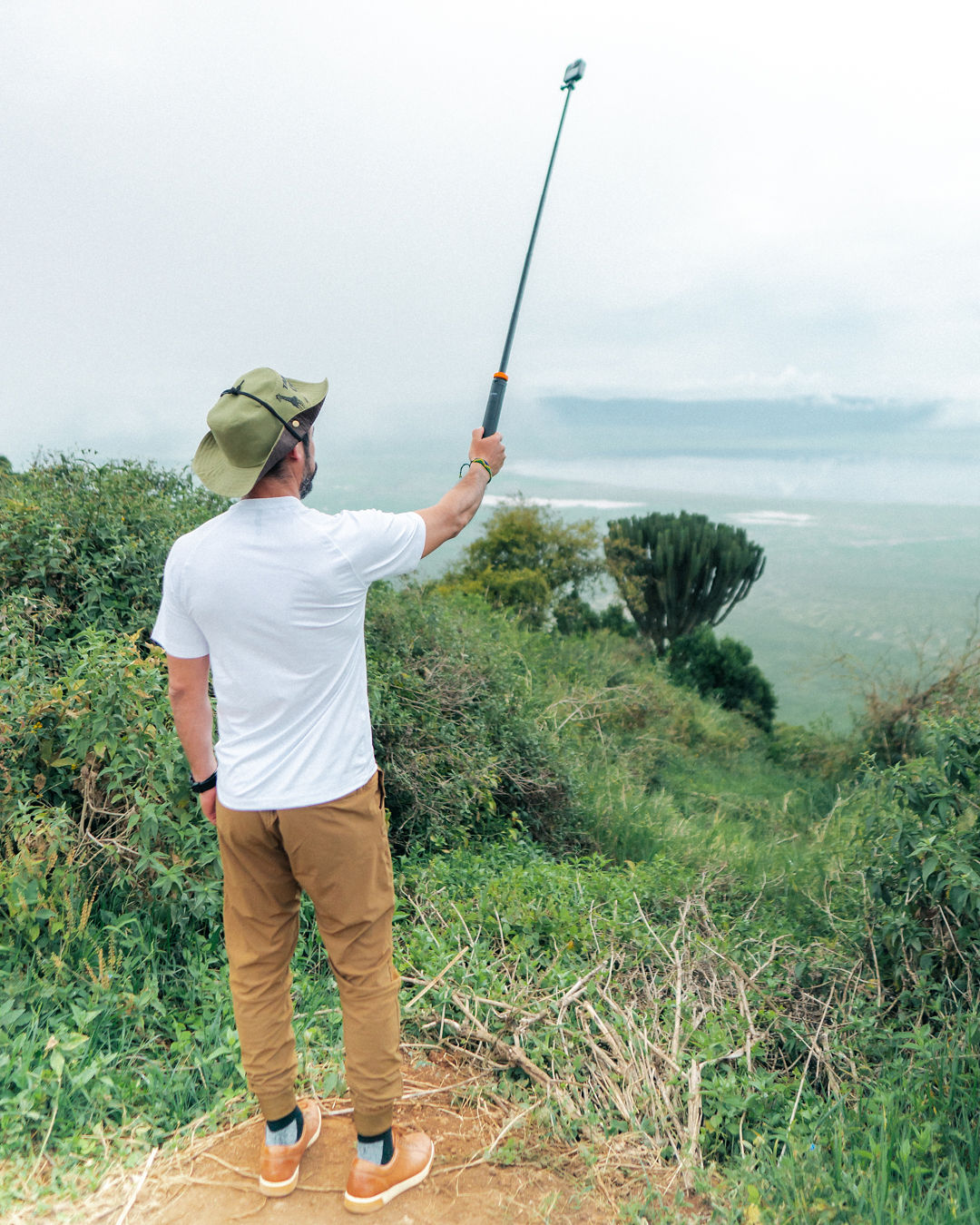
When you board your safari jeep at dawn, the dust lifts, and the sun edges above the plains. This is when your fabric decision matters. Opt for neutral, earth toned clothing; khaki, olive, beige, light brown to blend in with the savannah. Avoid deep black or bright colors; in some regions, dark hues attract tsetse flies!
Bring:
- A few long sleeve shirts (for sun protection, insect safety, and early mornings).
- Several short-sleeve T-shirts for warmer moments.
- Quick-dry trousers or convertible safari pants. Zip-off legs are a brilliant hack.
- A fleece or light jacket: predawn and evening game drives can suprise you with their chill.
- A waterproof rain jacket, especially if your trip is during the rainy season.
- Swimsuit: many lodges have pools, and after a long day, a swim feels like a gift.
- Scarf or buff: helpful to guard against dust or midday sun.
- A smart casual outfit: for dinners at lodges or evenings in town.
2. Footwear & Extras That Make Wildlife Gam Drive Comfortable
Comfortable closed shoes for walking around camp and a pair of sturdier trainers or low hiking boots for optional walking safaris are convinient. Sandals by the pool are fine but not for bush trails. A wide brimmed hat, good sunglasses, and a lightweight scarf or bandana help to manage dust and sun. Pack from two pairs of socks and undergarments per day of activity to avoid mid-trip laundry hassles. Because temperature swings are common, a light pair of gloves or buff can be unexpectedly welcome on crisp morning game drives.
3. Health, Safety & Insect Prevention
Safari isn't only about seeing wild animals, it's also about staying safe! Make sure to include:
- Anti-malarial medication, as advised by your travel doctors.
- Insect repellent with DEET or picaridin to guard against mosquitoes and tsetse flies.
- Sunscreen (high SPF) and lip balm with sun protection, the equatorial sun doesn't play around!
- A basic first aid kit: painkillers, antihistamines, anti-diarrhea meds, bandages.
- Hydration tools: a reusable water bottle (though NEXT GREEN ADVENTURES packs bottled water for you daily). Staying hydrated is non negotiable in safari.

Documents, Money & Logistics
When travel feels like journalism, every document is part of your successful story. Don't forget:
- Passport (with copies, both printed and digital).
- Visa (if required), travel insurance, vaccination card or certificate.
- Printed itinerary, lodge confirmations, and contact info.
- Mix of money: small US dollars for tips and cash only places, plus credit/debit cards.
- Travel plug adapter (Tanzania uses 220-240V, UK-style plugs)
Tech, Optics & Extras
To capture the story of your safari and still travel light, bring:
- A compact or mirrorless camera, plus a zoom lens if you want to get close to wildlife.
- Binoculars, ideally 8x42, they make every game drive richer.
- Spare memory cards and extra camera batteries, charging can be limited.
- A portable power bank and/or a solar charger if your trip includes remote camps.
- A headlamp or flashlight: useful for evening and early mornings.
- Dust protection: dry bags or Ziploc (for electronics and documents)
- Notebook or journal: to keep the impressions, sketches, or a raw stories as the day unfolds.

Toiletries, Sustainability & What You Can Buy Locally
Reffilable, eco-friendly toiletries are widely available in Arusha and larger towns, and many lodges support refill programs to reduce plastic wastes. Bring travel sized basics in a clear wash bag for airport convenience and consider solid format items (solid shampoo, bar soap) to avaoid liquid limits and leaks. A small microfiberntowel and a compact toiletry kit save space.
If you're aiming to reduce single use plastics,a reusable water bottle with a built in filter is useful in transit and appreciated by sustainable park regulations and eco-friendly NEXT GREEN ADVENTURES!
Common Wildlife Safari Packing Mistakes To Avoid
Overpacking heavy camera lenses you won't use, bringing bright clothes that draws attention in the bush, relying on hardshell luggage for light aircraft transfers, and assuming lodges will have specialty medications are among the most common errors. People who prepare a lightweight, layered wardrobe and verify airline and operator baggage rules to relax more and see more of wildlife comfortably.
FAQs About What To Pack For Wildlife Safari
Q: What's the single most important item to bring?
A: A small set of layered clothing suitable for hot days and cold predawn drives, paired with a light fleece and a soft duffle bag that meets the local flight's weight limit, those four things together are more important than any single gadget.
Q: Can I buy malaria tablets and sunscreens locally?
A: Basic sunscreens and some over the counter meds are available in cities like Arusha, but bring prescriptions malaria prophylaxis and any ongoing prescription medicines from home.
Q: Will lodges provide adapters, bedding, or insect repellent?
A: Many lodges provide basic adapters, bedding, even refillable water bottles but bring personal items you rely on (your preferred repellent, cahrgers, camera batteries). Confirm with your lodge before you leave!
Q: Are neutral clothes strictly required?
A: It's a strong recommendation. Neutral, earth tone clothing helps you blend in, reduces dust visibility and gives better photo results; bright colors and camouflage should be avoided.

Your Safari Adventure Begins Here
Confirm your internal flight luggage allowance with NEXT GREEN ADVENTURES, choose a soft duffle and weigh it with your kit. Making that call reduces mid trip stress and keeps you present for the experience you came to have: watching wildlife unfold in one of Africa's most dramatic landscapes!