Wildlife Haven & Ngorongoro Conservation Area
Today our safari will take place in Tarangire National Park. This is one of the most interesting places in Tanzania! The river of the same name flows through the park, where giraffes, zebras, antelopes and buffaloes come to drink. These animals attract predators, which is why a lot of lions live in Tarangire. You will definitely see them during your trip.
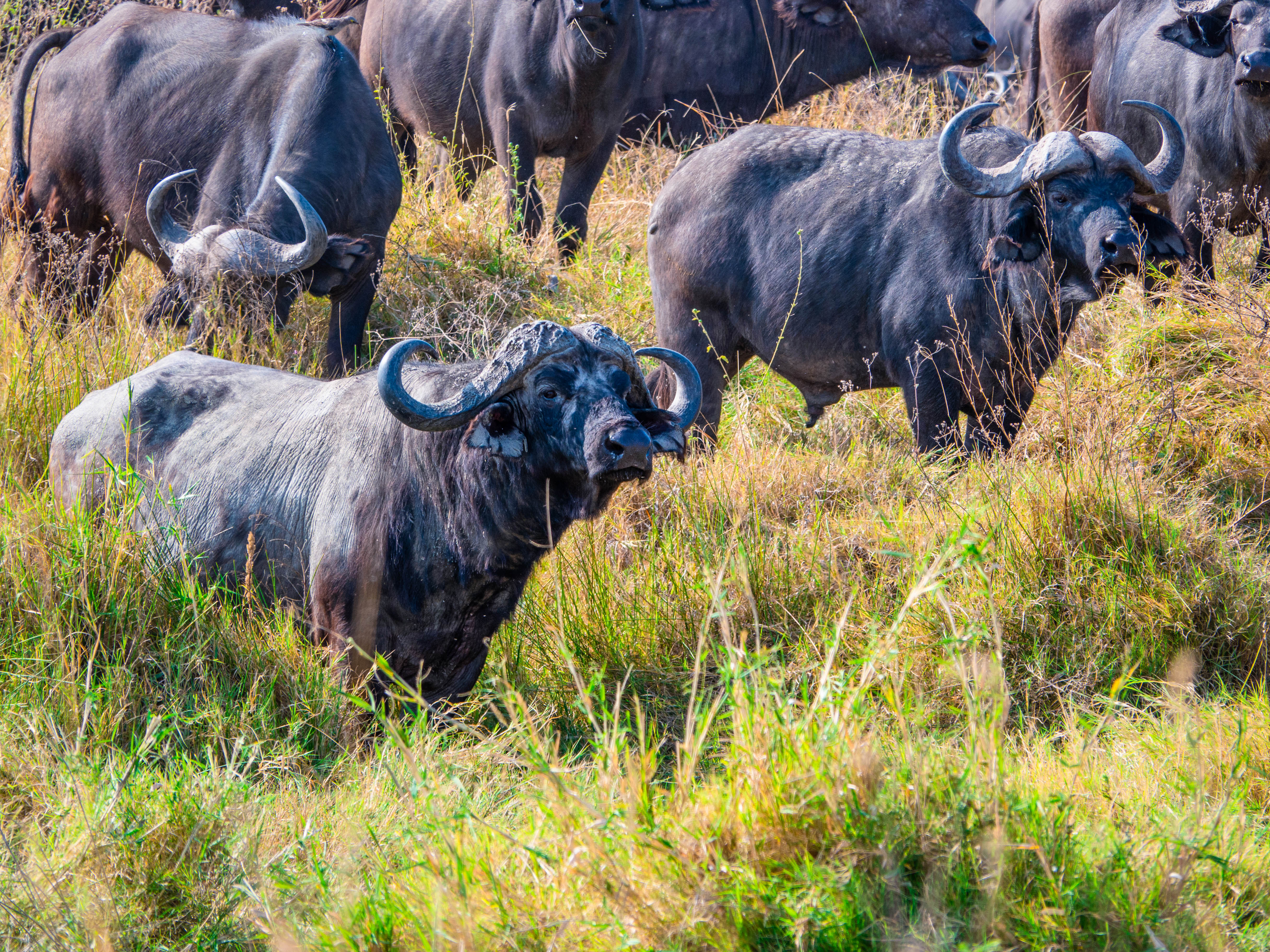
In the dry season, the Tarangire River becomes the only source of drinking water for many kilometers around. Because of this, large herds of elephants come to Tarangire, making Tarangire the home to the largest population of elephants in Northern Tanzania for most of the year (especially June - October and December - March). Elephants are not at all intimidated by visitors to the park, and they often come quite close to cars. This is completely safe - since elephants have no enemies in their natural nature they are naturally curious and unafraid.
Trip Itinerary
Day 1: Guided Nature Walk Safari
A 1.5-hour walk lets you experience the wilderness up close! Offering a unique perspective, it focuses on nature in general rather than just wildlife. While you might not see as many big animals as you would on a car drive, walking allows you to notice the smaller wonders around you in the bush. You might come across creatures like mongooses, Guinea fowls, and vervet monkeys. Your guide you will help you spot fresh tracks of elephants or buffalo herds.
Keep in mind that while you may get close to some larger animals like zebras, giraffes, or antelopes, they often keep their distance or move away. Though wildlife sightings are unpredictable, this adds an exciting element of chance to your adventure! The landscape itself is stunning, with massive baobab trees, acacia woodlands, and the vast African bush. Don't forget to wear comfortable shoes and long, light pants for added comfort, along with a sunhat. Sunscreen is essential, and binoculars will be useful for spotting wildlife at the distance.

Day 2: Full-day Tarangire Game Drive
Your second day in Tarangire National Park. Our safari guide will show you the sections of Tarangire that you did not have time to visit yesterday. There are a lot of interesting locations with beautiful views, and even more African animals. In Tarangire, you can see rare species, some of which are not usually found even in the Serengeti, such as long-necked gerenuks and oryx.
Also in Tarangire, there are hyraxes - small funny animals that are the closest relatives of elephants, despite their very different size. It is very interesting to watch them, and they willingly let visitors come fairly close for photos only (remember: no touching wildlife!).
In addition, bird lovers will be interested in Tarangire because there are more than 550 species of birds here! We have good resolution binoculars in our car so you can see them even better.
Day 3: Ngorongoro Crater-Floor Safari
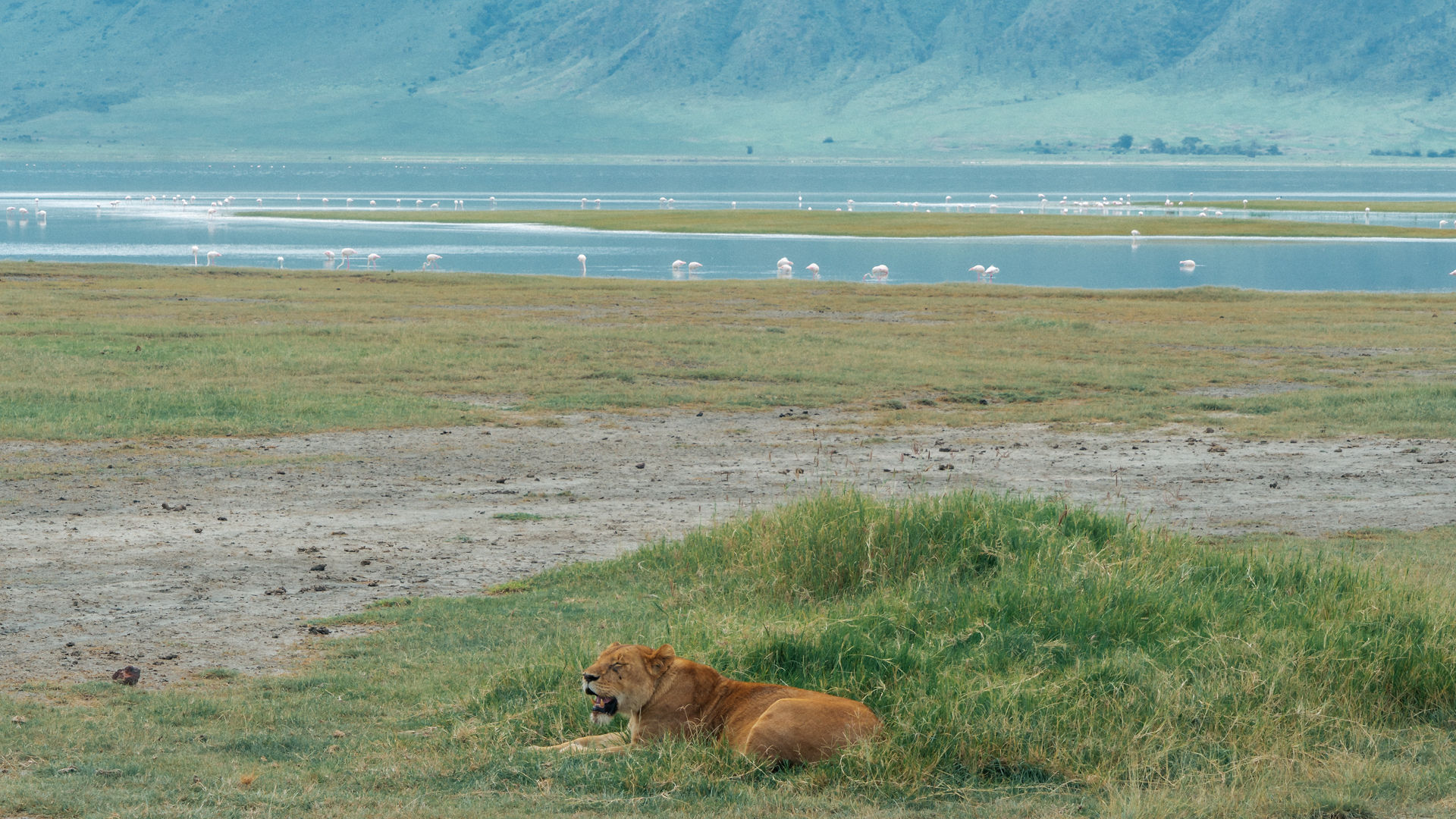
Today you are going to the Legendary Ngorongoro Crater! Your day will begin early in the morning, when your guide arrives to drive you to the Ngorongoro Crater, part of the Ngorongoro Conservation Area. The Crater is somewhat reminiscent of The Lost World by Sir Arthur Conan Doyle: here you will witness tens of thousands of wild animals living in the massive crater left by a huge ancient volcano. The actual crater is relatively small, when you consider that it is home to the most variety of animals per square meter than anywhere else in the world! Here, you are sure to see a great number of animals within close proximity to one another.
The descent into the crater will take about half an hour of driving. The road passes through beautiful, lush forests with great scenery. Your safari guide will make a stop to see the ‘look out’ which is a place offering a stunning panoramic view of the entire crater. Contrary to popular myth, animals can go outside the caldera. However, most of them are safe and comfortable inside the caldera which provides an unlimited supply of fresh grass for grazers and easy prey for predators. Therefore, they prefer to remain in the crater t all the time.
Elephants, buffaloes, antelopes, lions, cheetahs, zebras and other African animals can be seen in Ngorongoro Crater. This is one of the few places in Africa where rhinos are found, although, remember that they are an endangered species, so there are very few of them. One animal that is absent are giraffes; you will not spot any of them in the crater because, due to the build of their bodies, including legs and long necks, they cannot walk down into the crater.
After your morning game drive around the crater, you will stop at the picnic area next to Lake Magadi for a snack and rest. This place is popular with various birds, including kites, who sometimes try to steal food right from the table! While not dangerous, at all, it is a good idea not to leave any food unattended. One of the draws of Lake Magadi are the hippos that live in the area. You’re sure to enjoy watching them while you eat lunch. These huge animals stay close to the shore and often surface to get air. If you do see one walking out of the water, give it plenty of space. Due to the large number of animals and endemic plants, Ngorongoro Conservation Area is a UNESCO World Heritage Site and renowned for its natural significance in the world.

From $ 1,595 pp