Go South And Discover Its Hidden Gems
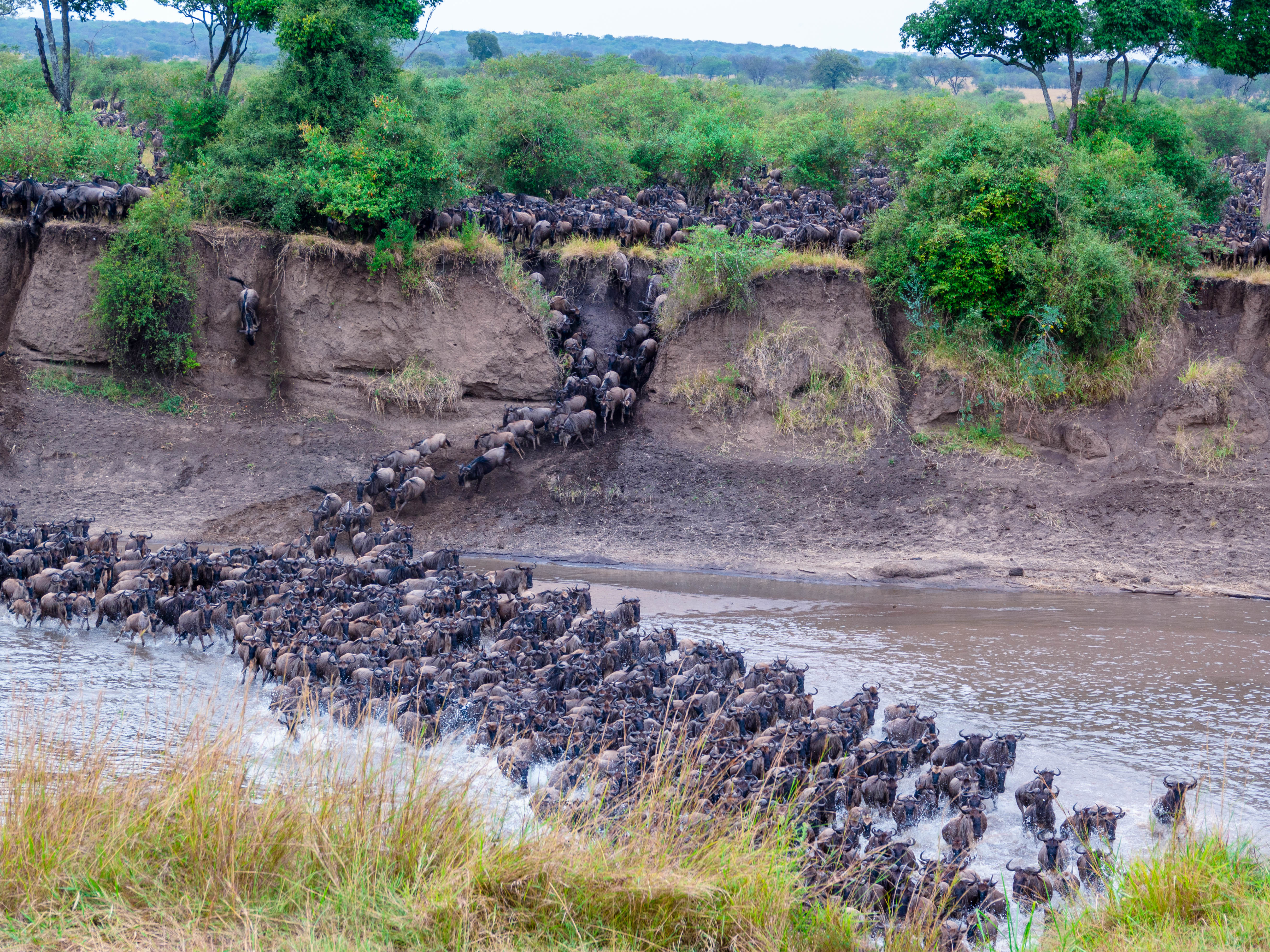
Nyerere National Park - formely the nothern section of Selous Game Reserve - is part of one of last Africa's greatness wildernes areas. Wildlife population numbers in the larger Selous-Mikumi ecosystem, which encompasses Nyerere Park, are staggering: over 30,000 hippos, 66,000 buffaloes, 20,000 impalas, 22,000 zebras, 3000 lions, significant numbers of giraffes, elephants and wild dogs, and over over 400 species of birds. The heart of Nyerere Park is the Rufiji River, which winds its way more than 250km from its source in the high-lands to the sea. En route, it cuts a path past woodlands, grasslands and stands of borassus ( Palmyra) and doum palms. The scenery is stunning throughout the various biomes, the wilderness feel is omnipresent and the number of visitors a relative trickle in comparison with Tanzania's nothern parks, Safaris here can be done by boat, in a vehicle or on foot. The entire experience is unforgettable and shouldn't be missed.
Nyerere National Park is highly seasonal. For wildlife, try to visit between July and October, when you'll have a good chance to see the larger herds for which Nyerere is famous. For birdwatching,optimal months are November and December. The long rains (late March to May) are als good for birdwatching, but getting around can be diffiult.
Trip Itinerary

Day 1: Arrival and the Magic of the River
-
Morning: Fly from Dar es Salaam, Zanzibar, or Arusha to one of Nyerere's airstrips, Mtemere Airstrip. The flight is scenic, offering views of the Rufiji River delta.
-
Mid-Morning: You'll be greeted by your guide at the airstrip. Enjoy a refreshing welcome drink and a short transfer to your camp or lodge.
-
Lunch & Siesta: Check in, have lunch, and take some time to settle into your new surroundings. Listen for the grunts of hippos from the nearby river.
-
Afternoon: Boat Safari on the Rufiji River
-
This is a quintessential Nyerere activity. A boat safari offers a completely different perspective.
-
Glide past massive pods of hippos, see enormous crocodiles sunbathing on the banks, and watch elephants, waterbuck, and buffalo coming to drink.
-
The birdlife is exceptional—look for fish eagles, kingfishers, carmine bee-eaters (seasonal), and many species of herons and storks.
-
-
Evening: Return to the lodge for a sundowner and dinner. Falling asleep to the sounds of the hippos is an unforgettable experience.

Day 2: Game Drives and the Search for Wild Dogs
-
Morning: Early morning game drive after a quick coffee and snack. The cool morning is the best time to look for predators.
-
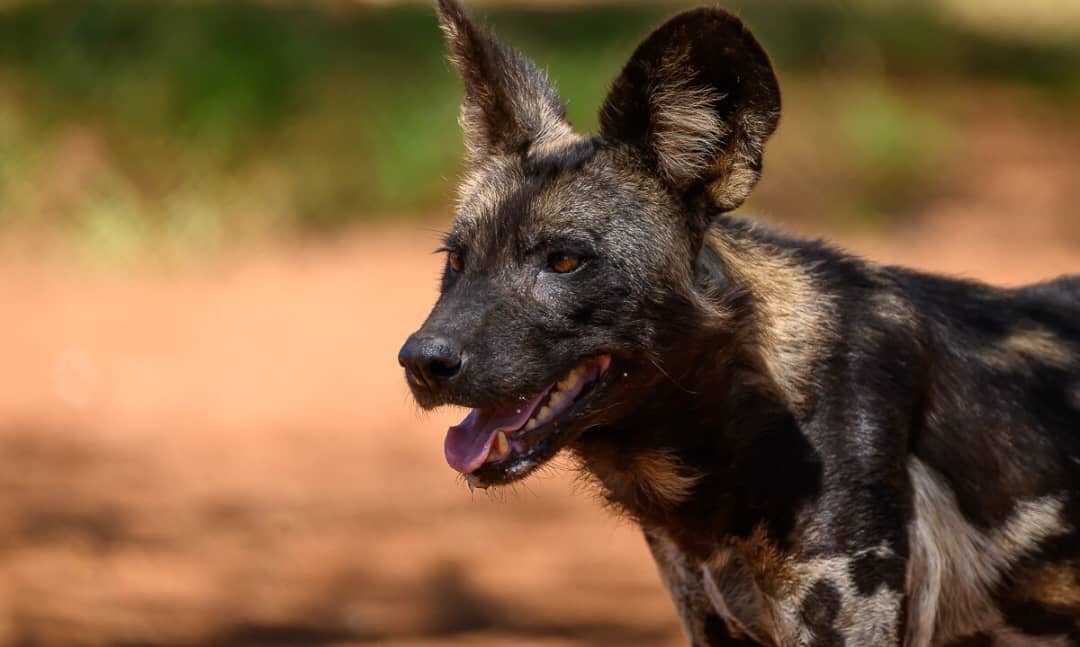
Nyerere is one of the best places in Africa to see the endangered African wild dog. Your guide will radio-track other vehicles to increase your chances of a sighting.
-
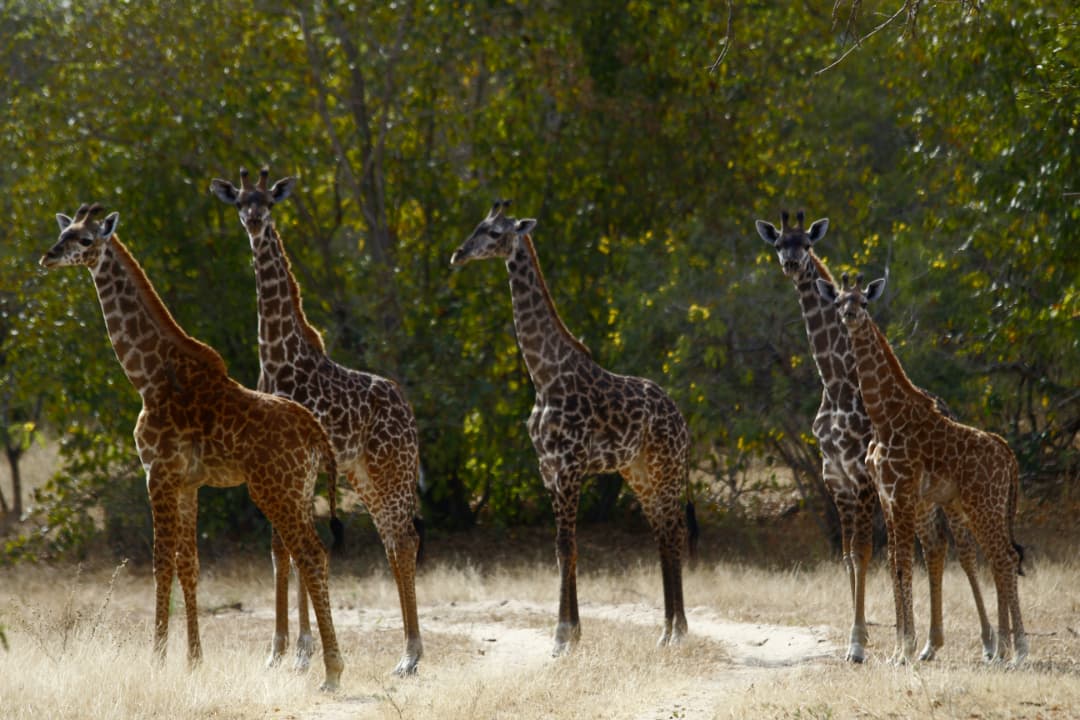
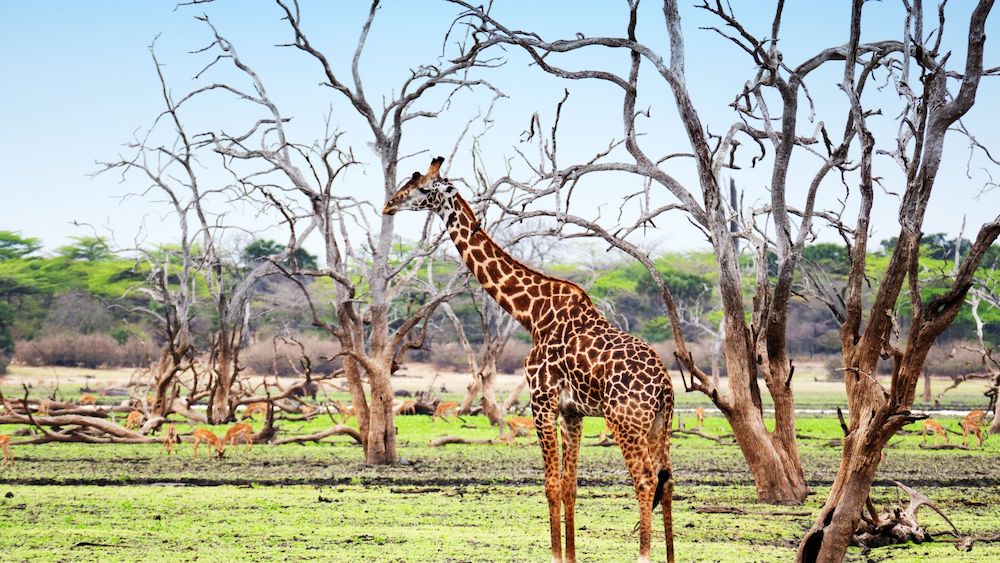
Explore the Miombo woodlands and open plains, looking for lions, leopards, giraffes, and vast herds of antelope.
-
-
Breakfast/Brunch: Return to the lodge for a hearty breakfast or brunch.
-
Lunch & Siesta: Enjoy lunch and relax during the heat of the day.
-
Afternoon: Classic Game Drive
-
Head out again for another game drive, exploring a different sector of the park. The guides often communicate with each other to locate recent wildlife sightings.
-
Visit the Stiegler's Gorge, a dramatic, 100-meter-deep canyon carved by the Rufiji River, for stunning panoramic views (this may be a full-morning trip).
-
-
Evening: Return for sundowners, share stories of the day's sightings, and enjoy dinner.

Day 3: Walking Safari and Lake Exploration
-
Morning: Walking Safari
-
Embark on a guided walking safari with an armed ranger. This is a thrilling way to connect with the wilderness.
-
Focus on the smaller details: animal tracks, insect life, plant uses, and the sounds of the bush. It's a sensory experience that a game drive can't provide.
-
-
Brunch: Return to camp for a late and well-deserved meal.
-
Afternoon: Visit to the Lakes (Lake Tagalala or Lake Manze)
-
Take a game drive to one of the park's many lakes. These are magnets for wildlife, especially in the dry season.
-
You can expect to see large concentrations of elephants, buffalo, hippos, and a stunning array of water birds. The open vistas make for fantastic photography.
-
-
Evening: Enjoy your final evening in the bush. This is often a good time for a special "bush dinner" if your lodge offers it.
Day 4: Final Morning Activity & Departure
-
Morning: Choose one last activity based on your preference:
-
Short Game Drive: A final chance to search for any animals you haven't seen yet.
-
Another Boat Safari: A tranquil morning on the river, enjoying the serene atmosphere and prolific birdlife.
-
-
Breakfast: Return to the lodge for a full breakfast.
-
Late Morning: Transfer back to the airstrip for your scheduled flight out of Nyerere National Park.

Important Practical Information for Nyerere
-
Best Time to Visit:
-
Dry Season (June - October): Peak wildlife viewing. Animals are concentrated around the Rufiji River and remaining water sources. Best for seeing large mammals and wild dogs.
-
Wet Season (November - May): Lush, green, and beautiful. Excellent for bird watching, photography, and boat safaris as the water levels are high. This is the best time for calving and migratory birds. The roads can be more challenging.
-
-
Accommodation: Selous Serena Camp, Beho Beho, Rufiji River Camp, Roho ya Selous and others of preference.
-
What to Pack:
-
Light, neutral-colored clothing for the often-humid climate.
-
Swimwear (most lodges have pools).
-
Strong insect repellent.
-
Binoculars and camera with a zoom lens.
-
A wide-brimmed hat and sunscreen are essential.
-
-
Health: Nyerere is a malaria zone; prophylaxis is highly recommended.