Choose A Solitude Path To Summit
The Rongai route is a less popular Kilimanjaro trail that has many unique advantages. Beginning on the northern slope of the mountain in a coniferous forest, it traverses a variety of climatic zones. The descent follows the Marangu route on the southwestern side of Mount Kilimanjaro.
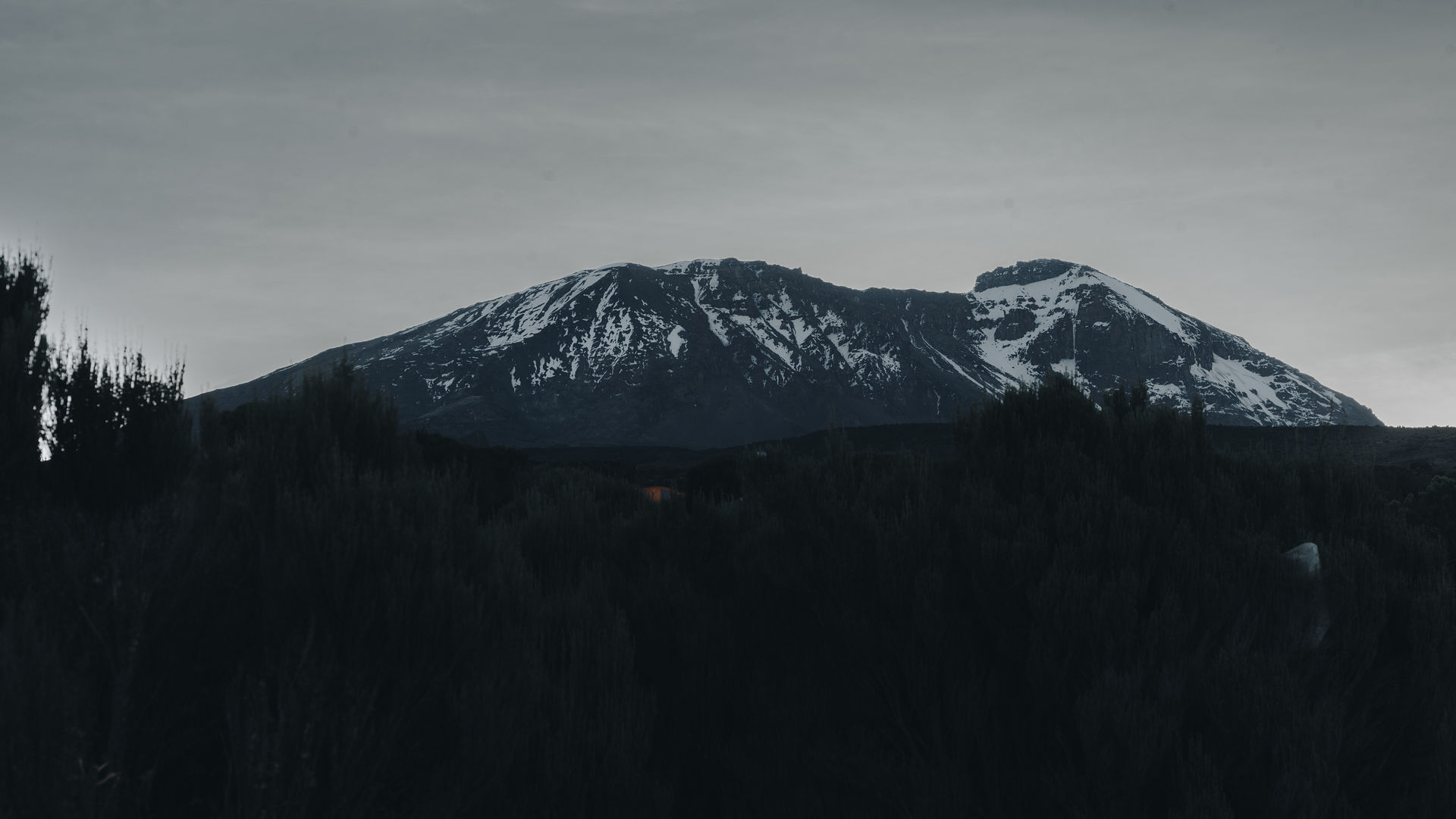
Firstly, it’s much less crowded than the busy Southern Kilimanjaro Trekking Trails.You will see ten times fewer trekkers on this route! Secondly, it is amazingly scenic, offering great views on Mawenzi and Kibo - two of Kilimanjaro’s volcanic cones, the surrounding Tanzania landscapes, and unique flora like Kilimanjaro Giant Groundsels and tropical forests on the descent. While the northern slopes are drier and have less dense vegetation, there is plenty to see on your way up.
Trip Itinerary
Day 1: Nalemuru Gate To Simba Camp
Our guide and a mountain support crew will arrive at your hotel in the morning in order to meet you and hold a quick briefing, after which you will travel by vehicle to Kilimanjaro National Park's northern entrance: Nalemuru Gate (2,020 m /6,627 f). After the quick formality of acquiring climbing permits and registering with the search and rescue service, the group will start trekking up to Simba Camp (2,671 m /8,761 f).. Your trek this day will be moderate and take you through the coniferous forest up Kilimanjaro's northern slope. Remember not to hurry and always keep a comfortable pace. By the time you reach the camp, our professional mountain crew will have prepared everything necessary, put up tents, and begun preparing dinner.
This will be your first day at this altitude, so it is strongly recommended you heed the following instructions from this point on:
- Drink over 4 liters of bottled water daily (little by little, frequently);
- To help alleviate symptoms of altitude sickness, consider using a preventive measure like a high-altitude aid medicine. Many mountain climbers take such pills in the morning, before they begin their ascent, to reduce discomfort associated with altitude sickness. Our managers will provide more specific details together with your travel itinerary. We recommend consulting your doctor prior to the trip to discuss any potential allergies or health concerns.
It is not uncommon to experience discomfort during the night, high altitude has this effect on the human body. Nausea and headaches are common occurrences in the mountains. However, make sure you alert your guide if you feel any symptoms of altitude sickness.
Accommodation: Tented Camping
Meal Plan: L, D

Day 2: Simba Camp To Kikilelwa Camp
This day starts with an early breakfast and then departure from Simba Camp to the second high-altitude camp: Kikilewa Camp (3,630 m /11,906 f). From Kikilewa Camp you can see Kibo Volcano at its finest, if the weather is clear. This trek is more physically demanding than the previous one, so once you have reached the camp, we recommend getting some rest.
Accommodation: Tented Camping
Meal Plan: B, L, D
Day 3: Kikilelwa Camp To Mawenzi Tarn Camp
This day starts with another early breakfast and then a trek to Mawenzi Tarn Camp, which is situated at the foot of Mawenzi Volcano, Kilimanjaro's second-highest point. When you reach the camp, you will have lunch and a two-hour rest, after which there will be an acclimatization hike towards Mawenzi Volcano with a 200 m /656 f) gain in altitude. After, you will hike back down to Mawenzi Tarn Camp, where you will have dinner in the evening.
The acclimatization hike is an easy trek with a slight gain in altitude done in order to speed up the acclimatization process. You should take the acclimatization hikes very seriously. They help increase your chances of successfully summiting Kilimanjaro and save you from the consequences of altitude sickness.
 Change in Elevation:
Accommodation: Tented Camping
Meal Plan: B, L, D

Day 4: Mawenzi Tarn Camp To Kibo Hut
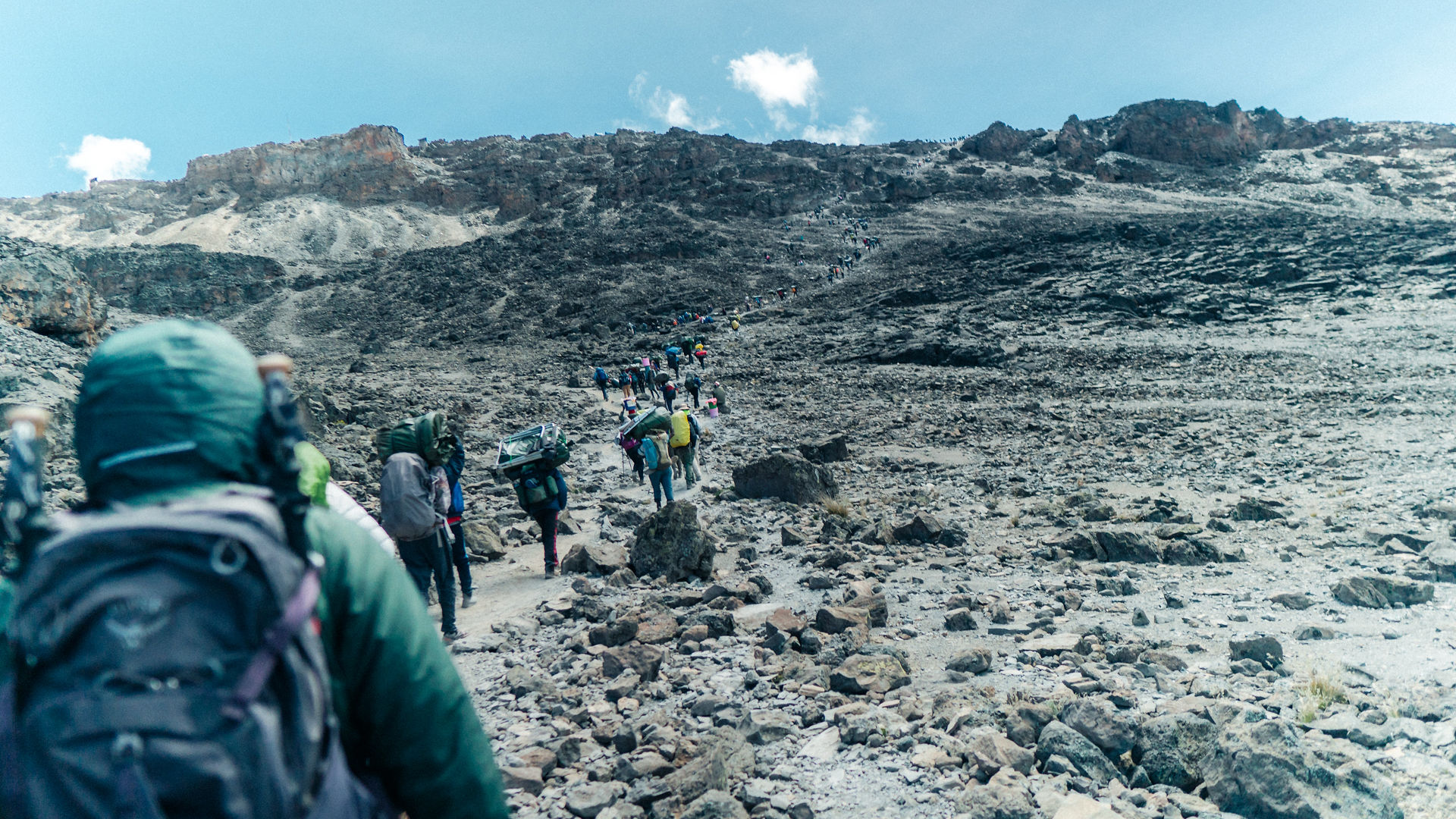
This day will be spent trekking towards Kibo Hut Camp (4,720 m /15,482 f). The landscape will change significantly to become a rocky semi-desert. The actual trek is not very difficult, just remember to stick with an appropriate pace to keep up your strength for the trekking to Kilimanjaro's summit. When you reach the camp, we recommend you sleep well, avoid strenuous activity, and drink as much as you can, because that very night you will be ascending Uhuru Peak (5,895 m /19,336 f).
Accommodation: Tented Camping
Meal Plan: B, L, D
Day 5: Kibo Hut To Horombo Hut
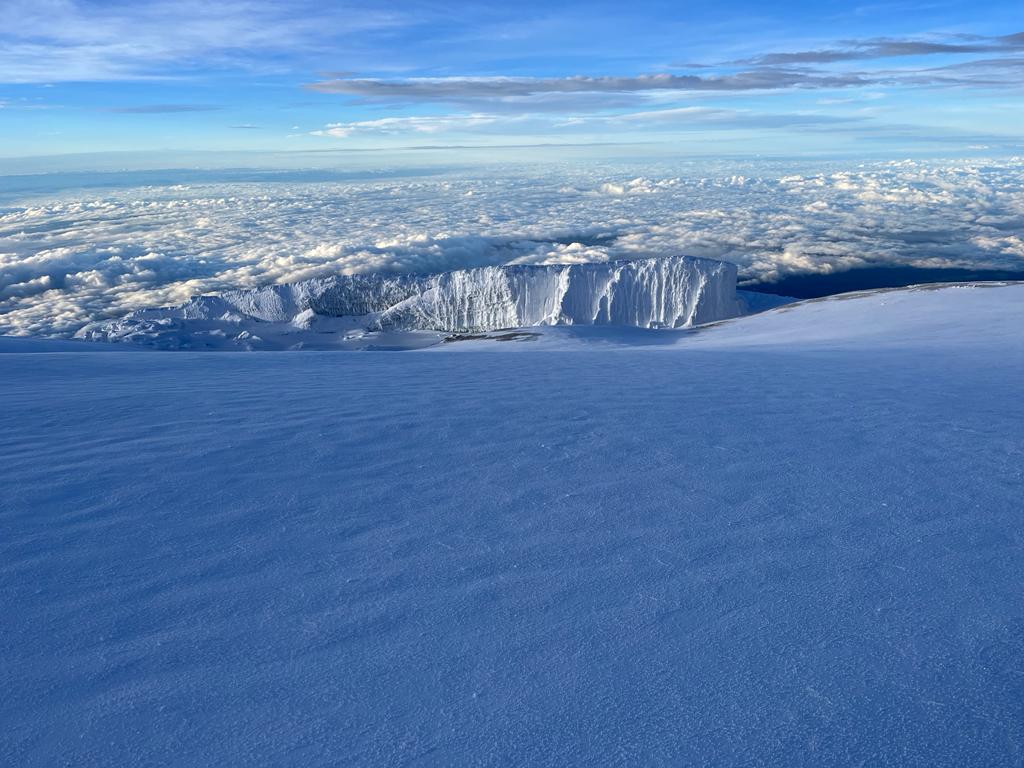
Your group will depart at night from Kibo Hut Camp (4,720 m /15,482 f) and head toward Kilimanjaro's summit: Uhuru Peak (5,895 m /19,336 f). Technically speaking, the trek is not difficult, however, at this high altitude, even regular physical activity can feel strenuous. Therefore, for the final summit climbers are paired in twos and put under the care of a personal guide, who will closely monitor their physical well-being. After your successful ascent to Uhuru Peak, you can descend to the nearest glacier, if desired. Then you will return to Kibo Camp and after a two-hour rest continue your descent to Horombo Camp (3,720 m /12,202 f).
Don't forget that 90% of all accidents occur during the descent, including most broken arms and legs. Please pay attention to your feet, as there is a high risk of damaging your toenails.
Accommodation: Tented Camping
Meal Plan: B, L, D
Day 6: Horombo Hut To Marangu Gate
You will be offered a warm breakfast in the morning, after which we will head for the Kilimanjaro National Park's exit: Marangu Gate (1,970 m /6,462 f). After your descent, the whole group will gather to congratulate you, and then you will have the chance to share your opinions on the trip in the guestbook. Lastly, we will present you with your commemorative certificates and provide you with a transfer back to your hotel in Moshi/Arusha.

Price - $ 2390 pp